


Introduction
Mountaineering is more than a physical challenge; it is a journey of determination, exploration, and personal growth. For adventure enthusiasts, climbing some of the world’s most remarkable mountains offers an opportunity to experience breathtaking landscapes while testing their physical and mental strength. Among the most memorable experiences are the Kilimanjaro expedition in Tanzania and the Broad Peak expedition in Pakistan. Although both adventures involve high-altitude environments, they differ significantly in difficulty, technical requirements, and overall climbing experience.
Whether you are an aspiring mountaineer or an experienced climber, understanding these two expeditions can help you choose an adventure that matches your skills, interests, and goals.
Kilimanjaro Expedition: Reaching the Roof of Africa
Mount Kilimanjaro, located in northeastern Tanzania, is Africa’s highest mountain, rising approximately 5,895 meters (19,341 feet) above sea level. Famous for its impressive volcanic landscape and diverse natural environments, it attracts trekkers and climbers from across the world.
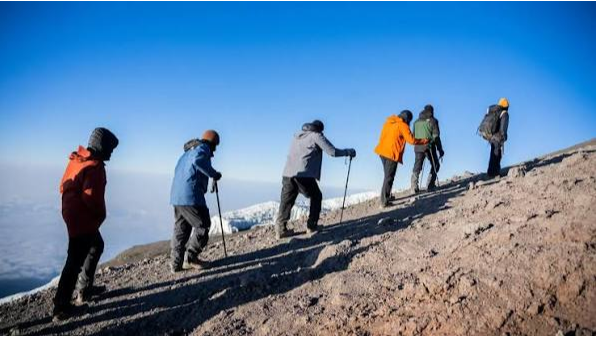
A Kilimanjaro expedition is particularly appealing because it does not generally require advanced technical climbing skills on the standard routes. However, reaching the summit remains physically demanding, and proper preparation is essential.
Highlights of the Kilimanjaro Expedition
One of Kilimanjaro’s most distinctive features is the variety of landscapes encountered during the ascent. Climbers typically pass through lush rainforest, open moorland, alpine desert, and a cold, high-altitude summit environment. Each zone offers a different perspective on the mountain’s natural beauty.
Several established routes lead to the summit, including the Machame, Lemosho, and Marangu routes. Each has its own characteristics regarding scenery, duration, accommodation, and acclimatization opportunities. Choosing a suitable route is important, particularly for climbers who want to improve their chances of reaching the summit safely.
Altitude is one of the biggest challenges on Kilimanjaro. Even without technical climbing, the reduced oxygen levels can cause altitude sickness. A well-planned itinerary, gradual ascent, adequate hydration, and attention to symptoms are essential parts of a responsible expedition.
Kilimanjaro is also an excellent introduction to high-altitude trekking. It allows participants to develop endurance, learn how their bodies respond to elevation, and gain confidence in demanding mountain environments.
Broad Peak Expedition: A Challenge in the Karakoram
Broad Peak is one of the world’s highest mountains, standing at approximately 8,051 meters (26,414 feet) in the Karakoram range of northern Pakistan, near the border with China. It is recognized as an eight-thousander and attracts experienced mountaineers seeking a serious high-altitude challenge.
Unlike Kilimanjaro, a Broad Peak expedition requires extensive mountaineering preparation, technical knowledge, and experience in extreme conditions. Climbers face severe cold, powerful winds, crevasses, steep snow and ice, and the physiological effects of extreme altitude.
The journey usually begins with travel to the mountainous region of Gilgit-Baltistan, followed by a trek to the Broad Peak Base Camp near the Baltoro Glacier. The approach itself offers spectacular views of the Karakoram’s dramatic peaks, including the legendary K2 region.
Key Challenges of Broad Peak
Climbing Broad Peak requires more than physical fitness. Participants need experience using mountaineering equipment, including crampons, ice axes, harnesses, and fixed ropes where appropriate. Knowledge of glacier travel, crevasse rescue, and high-altitude safety procedures is also important.
Acclimatization is a central part of expedition planning. Climbers typically spend time at different elevations and may make rotations between camps to help their bodies adapt to the decreasing availability of oxygen. Weather conditions can change rapidly, making flexibility and sound decision-making essential.
The summit attempt is physically and mentally demanding. Fatigue, cold exposure, dehydration, and altitude-related illnesses can become serious risks. For this reason, climbers should work with qualified expedition professionals, follow established safety procedures, and be prepared to turn back when conditions become unsafe.
Successfully climbing Broad Peak represents a significant achievement in high-altitude mountaineering and usually requires substantial previous experience.
Kilimanjaro vs. Broad Peak: Understanding the Difference
Although both mountains attract adventure seekers, they serve different levels of experience.
- Altitude: Kilimanjaro reaches 5,895 meters, while Broad Peak rises to approximately 8,051 meters.
- Technical difficulty: Standard Kilimanjaro routes are trekking-based, whereas Broad Peak involves serious high-altitude mountaineering.
- Preparation: Kilimanjaro requires good endurance and appropriate acclimatization planning. Broad Peak demands advanced training, technical climbing skills, and previous high-altitude experience.
- Duration: Kilimanjaro trips commonly take around five to nine days on the mountain, depending on the route. Broad Peak expeditions generally require several weeks, including the approach, acclimatization, and summit attempts.
- Environment: Kilimanjaro features tropical forest and volcanic terrain, while Broad Peak offers glaciers, snowfields, and the harsh conditions of the Karakoram.
These differences make it important to select an expedition based on ability and experience rather than altitude or prestige alone.
Key Points for Planning a Successful Expedition
Before committing to either mountain, consider the following essential factors:
- Physical preparation: Develop cardiovascular endurance, leg strength, balance, and stamina through consistent training.
- Acclimatization: Choose an itinerary that allows adequate time for adjustment to altitude, and never ignore symptoms of altitude sickness.
- Professional guidance: Work with reputable operators, qualified guides, and experienced support teams appropriate to the expedition.
- Equipment: Use suitable clothing, footwear, and safety equipment for the expected terrain and weather.
- Weather awareness: Understand that conditions can change quickly, especially at high elevations.
- Environmental responsibility: Follow local regulations, minimize waste, respect mountain communities, and leave natural areas undisturbed.
- Realistic goals: Summit success is never guaranteed. Safety should always take priority over reaching the top.
Conclusion
The Kilimanjaro expedition and Broad Peak expedition offer two distinct ways to experience the power and beauty of the world’s great mountains. Kilimanjaro is an outstanding choice for trekkers seeking a demanding high-altitude adventure without the technical requirements of an eight-thousander. Broad Peak, by contrast, is a serious mountaineering undertaking suited to experienced climbers prepared for extreme altitude and complex mountain conditions.
Both journeys reward careful preparation, patience, and respect for nature. By choosing the right objective, training consistently, and prioritizing safety, adventurers can build lasting memories and gain a deeper appreciation for the remarkable world of high-altitude exploration.