
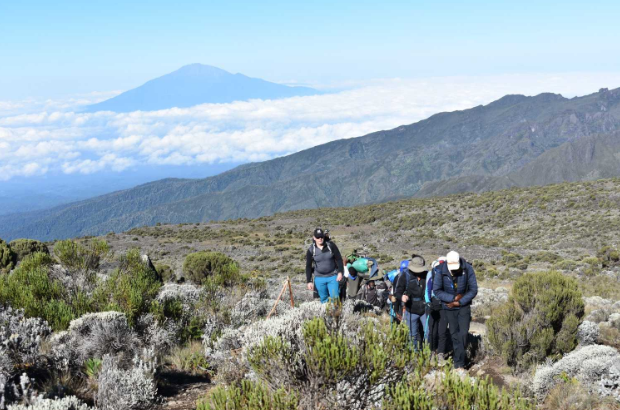


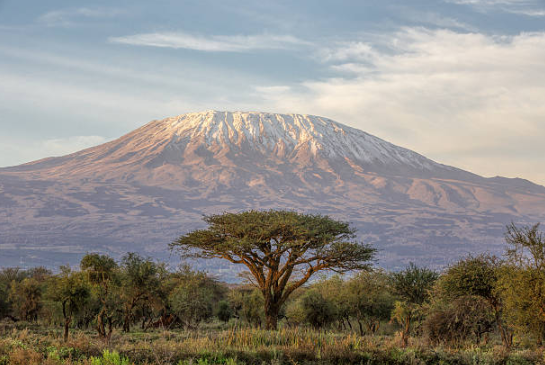
Mount Kilimanjaro stands as Africa’s highest peak and one of the world’s most accessible high-altitude mountains, drawing thousands of climbers annually to its snow-capped summit. Rising 5,895 meters above sea level in Tanzania, this dormant volcano offers an extraordinary adventure that combines physical challenge with breathtaking natural beauty. Unlike technical mountain climbs that require specialized equipment and expertise, Kilimanjaro presents an opportunity for determined individuals to reach a prestigious summit through trekking rather than mountaineering.
Understanding Kilimanjaro’s Unique Appeal
What makes mountain climbing Kilimanjaro particularly remarkable is its geographical diversity. The journey from base to summit traverses five distinct ecological zones, beginning in lush rainforest and transitioning through moorland, alpine desert, and finally arctic conditions near the peak. This vertical expedition compresses ecosystems that would normally span thousands of miles into a single climb, offering climbers a condensed natural history lesson alongside their physical achievement.
The mountain’s accessibility stems from its non-technical nature. No ropes, crampons, or advanced climbing skills are required for most routes. However, this accessibility can be deceptive. The extreme altitude presents serious challenges, and proper preparation remains essential for success. The thin air at the summit contains approximately half the oxygen available at sea level, making acclimatization the single most critical factor in reaching Uhuru Peak.
Choosing Your Route
Seven established routes lead to Kilimanjaro’s summit, each offering distinct experiences, difficulty levels, and success rates. The Marangu Route, often called the “Coca-Cola Route,” provides hut accommodation and is considered the easiest path, though its shorter duration actually results in lower success rates due to insufficient acclimatization time. The Machame Route, nicknamed the “Whiskey Route,” has gained popularity for its scenic beauty and better acclimatization profile through its climb-high, sleep-low approach.
For those seeking solitude and pristine wilderness, the Lemosho and Northern Circuit routes offer longer itineraries with spectacular scenery and fewer crowds. The Rongai Route approaches from the drier northern side, providing a different perspective and slightly easier terrain. The Umbwe Route presents the steepest, most direct ascent and suits experienced trekkers comfortable with rapid altitude gain.
Preparing for the Climb
Physical preparation for mountain climbing Kilimanjaro should begin months before departure. While technical skills aren’t necessary, cardiovascular fitness and leg strength prove invaluable. Regular hiking with a weighted backpack, stair climbing, and endurance activities like running or cycling build the stamina needed for consecutive days of trekking at altitude.
Mental preparation deserves equal attention. The climb demands persistence through discomfort, including cold temperatures, fatigue, and potential altitude sickness symptoms. Understanding that summit night involves approximately eight hours of climbing in darkness, often in sub-zero temperatures, helps set realistic expectations. Many climbers find the mental challenge exceeds the physical one, particularly during the final push to Uhuru Peak.
Proper gear selection can make or break your Kilimanjaro experience. Quality layering systems are essential for managing temperatures that range from tropical warmth to arctic cold. A four-season sleeping bag rated to minus fifteen degrees Celsius, insulated waterproof boots, and effective rain gear protect against the mountain’s unpredictable weather. Trekking poles reduce knee strain and improve stability on rocky terrain.
The Acclimatization Factor
Altitude sickness remains the primary reason climbers fail to summit Kilimanjaro. The body needs time to adjust to decreasing oxygen levels, producing more red blood cells to carry oxygen efficiently. Choosing longer routes with gradual ascent profiles significantly improves success rates. Seven to nine-day itineraries provide better acclimatization opportunities than shorter alternatives.
Recognizing altitude sickness symptoms proves crucial. Headaches, nausea, dizziness, and difficulty sleeping are common mild symptoms. More severe indicators include confusion, loss of coordination, and difficulty breathing at rest. Guides monitor climbers closely, but personal awareness and honest communication about symptoms are vital. The only cure for serious altitude sickness is immediate descent.
Hydration plays a surprisingly important role in acclimatization. The dry mountain air and increased respiration at altitude cause rapid fluid loss. Consuming three to four liters of water daily helps maintain blood volume and supports the body’s adaptation processes. Though frequent bathroom trips prove inconvenient, especially in cold conditions, adequate hydration substantially improves summit success chances.
The Cultural Experience
Mountain climbing Kilimanjaro extends beyond personal achievement into cultural immersion. The mountain holds deep spiritual significance for the Chagga people who inhabit its lower slopes. Your climbing team, including guides, assistant guides, porters, and cooks, provides insight into Tanzanian culture and mountain traditions. These professionals make the climb possible, carrying equipment, preparing meals, and offering encouragement throughout the journey.
Ethical climbing practices include ensuring your tour operator provides fair wages, proper equipment, and reasonable loads for porters. Organizations like the Kilimanjaro Porters Assistance Project work to improve porter working conditions. Choosing operators committed to ethical practices contributes positively to local communities and ensures the sustainability of Kilimanjaro tourism.
Environmental Considerations
Kilimanjaro’s glaciers have retreated dramatically over recent decades, with some scientists predicting their complete disappearance within years. Climate change impacts are visibly evident on the mountain, making conservation efforts increasingly urgent. Responsible climbing includes strict adherence to pack-in, pack-out principles, staying on designated trails, and minimizing environmental impact.
Park fees and climbing permits contribute significantly to conservation and local community development. These funds support ranger patrols, trail maintenance, waste management systems, and educational programs. Understanding that your climb contributes to preservation efforts adds meaningful context to the adventure.
The Summit Experience
Summit night typically begins around midnight, with climbers ascending through darkness toward Stella Point on the crater rim before continuing to Uhuru Peak. The slow, deliberate pace helps manage altitude effects as temperatures plummet and fatigue accumulates. Reaching the summit as sunrise illuminates the African plains below creates an unforgettable moment that justifies the effort.
The descent, though less celebrated, requires equal care. Tired legs and reduced concentration increase injury risk on loose volcanic scree. Most routes descend quickly, dropping thousands of meters in a single day. This rapid descent aids recovery from altitude but demands attention to foot placement and proper trekking technique.
Conclusion
Mountain climbing Kilimanjaro represents an achievable yet profound adventure that tests physical limits while offering unparalleled natural beauty and cultural richness. Success depends not on technical skill but on proper preparation, realistic pacing, and respect for altitude’s challenges. The journey transforms climbers, building confidence through perseverance and providing perspective gained from standing atop Africa. Whether you summit or not, the attempt itself offers valuable lessons in determination, humility, and appreciation for Earth’s magnificent wild places. Kilimanjaro remains a mountain that welcomes those who approach it with preparation, respect, and determination.
Frequently Asked Questions
How difficult is climbing Mount Kilimanjaro? Kilimanjaro requires no technical climbing skills but demands good physical fitness and mental resilience. The primary challenge is altitude, not terrain difficulty. Most physically fit individuals who train adequately and choose appropriate routes can summit successfully.
What is the best time to climb Kilimanjaro? The optimal climbing seasons are January through mid-March and June through October, when weather conditions are most favorable. These periods offer clearer skies and less precipitation, though Kilimanjaro can be climbed year-round.
How much does it cost to climb Kilimanjaro? Climbing costs typically range from $2,000 to $6,000 or more, depending on route length, group size, and operator quality. This includes park fees, guide and porter services, meals, and camping equipment. Budget operators may compromise on ethics or safety.
Do I need altitude sickness medication? Many climbers use acetazolamide (Diamox) to aid acclimatization, but it’s not mandatory. Consult your physician about altitude medication options. Proper acclimatization through route selection and pacing remains the most effective prevention strategy.
What is the success rate for summiting Kilimanjaro? Overall success rates average around 65%, but this varies significantly by route and duration. Longer routes with better acclimatization profiles achieve 85-95% success rates, while shorter routes may see only 50% of climbers reaching the summit.
Can beginners climb Kilimanjaro? Yes, beginners with good fitness levels regularly summit Kilimanjaro. The mountain doesn’t require previous climbing experience, but physical preparation and realistic expectations about altitude challenges are essential for success.
How cold does it get on Kilimanjaro? Temperatures at the summit can drop to minus 20 degrees Celsius or lower, especially at night. Lower elevations remain much warmer, with rainforest zones experiencing tropical conditions. Proper layering accommodates this extreme temperature range.
Is travel insurance necessary? Comprehensive travel insurance including emergency evacuation coverage is strongly recommended. Helicopter rescue from high altitude costs thousands of dollars. Ensure your policy covers trekking up to 6,000 meters elevation.