
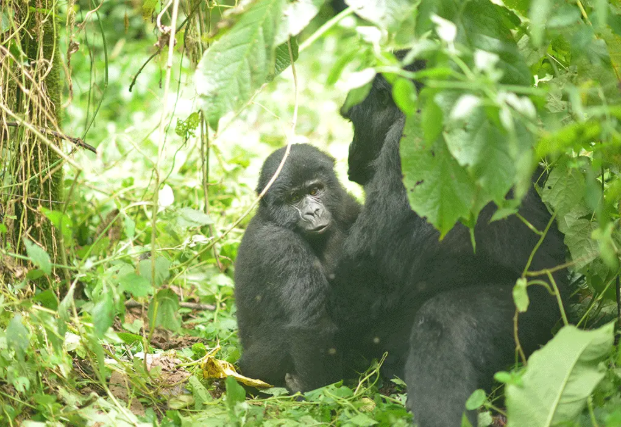


The opportunity to observe mountain gorillas in their natural habitat represents one of the most profound wildlife encounters available on Earth. These gentle giants, sharing approximately 98% of our DNA, exist in only two locations across the entire African continent, making them among the rarest and most sought-after wildlife sightings for nature enthusiasts and safari travelers. Understanding where to see mountain gorillas in Africa requires knowledge of the specific protected areas that harbor these critically endangered primates, the characteristics that distinguish each destination, and the practical considerations that influence destination selection. This comprehensive guide illuminates the remarkable places where mountain gorillas can be observed, helping travelers make informed decisions about where to experience these unforgettable encounters.
The Exclusive Range of Mountain Gorillas
Mountain gorillas exist in only two isolated populations across the African continent, a remarkably restricted range that underscores both their endangered status and the exclusivity of encountering them. The entire global population of approximately 1,100 individuals inhabits two mountain ranges: the Virunga Massif, which spans three countries, and the Bwindi-Sarambwe ecosystem, located primarily within Uganda. This limited distribution makes mountain gorillas fundamentally different from many African wildlife species that range across multiple regions and countries, creating unique considerations for travelers hoping to observe them.
The restricted habitat results from millions of years of evolution in high-altitude montane forests, where mountain gorillas adapted to cold temperatures, dense vegetation, and steep volcanic terrain. Unlike their lowland gorilla cousins found in West and Central Africa, mountain gorillas possess thicker fur to withstand cold temperatures, different dietary preferences focusing on terrestrial vegetation rather than fruit, and social structures adapted to their specific environments. These specializations confine them to narrow ecological niches, making habitat protection absolutely critical to their survival.
Understanding this geography is fundamental to planning gorilla trekking experiences. Unlike wildlife safaris where similar species can be observed across numerous reserves and countries, mountain gorilla encounters require travel to one of just four specific national parks across three countries. Each destination offers distinct advantages, challenges, and characteristics that appeal to different traveler preferences and priorities.
Rwanda: Volcanoes National Park
Rwanda’s Volcanoes National Park stands as the most accessible and arguably most famous mountain gorilla destination in Africa. Located in the northwestern corner of the country, just 2.5 hours’ drive from Kigali International Airport, this 160-square-kilometer park forms the Rwandan portion of the Virunga Massif. The park harbors approximately 600 mountain gorillas across twelve habituated families available for tourism, providing relatively abundant opportunities for successful encounters.
Volcanoes National Park derives its name from the chain of eight volcanic mountains that dominate the landscape, including Mount Karisimbi, Rwanda’s highest peak at 4,507 meters, Mount Bisoke with its stunning crater lake, and Mount Sabyinyo marking the junction of Rwanda, Uganda, and the Democratic Republic of Congo. This dramatic volcanic terrain, perpetually shrouded in mist and cloud, creates an ethereal backdrop for gorilla encounters that has captivated visitors since Dian Fossey established her groundbreaking research here in the 1960s.
The park’s accessibility represents one of its primary advantages. Excellent road conditions connecting Kigali to the park headquarters near Musanze enable same-day arrival and trekking for time-constrained visitors, a logistical convenience unmatched by other gorilla destinations. Rwanda’s emphasis on luxury tourism has spawned numerous high-end lodges surrounding the park, including properties like Bisate Lodge, Singita Kwitonda Lodge, and One&Only Gorilla’s Nest that rank among Africa’s finest accommodations.
Gorilla permits in Volcanoes National Park cost $1,500 per person, positioning Rwanda as the premium gorilla trekking destination. This pricing reflects Rwanda’s high-value, low-impact tourism strategy and funds extensive conservation programs and community development initiatives. The professional standards of ranger operations, trail maintenance, and visitor management justify the premium cost for many travelers seeking seamless, world-class experiences.
Beyond gorillas, Volcanoes National Park offers golden monkey tracking, volcano hiking, visits to Dian Fossey’s grave and former research station, and cultural experiences with the Iby’Iwacu Cultural Village. The park’s location also facilitates combinations with other Rwandan attractions including Nyungwe Forest for chimpanzee trekking, Akagera National Park for traditional safari experiences, and Kigali’s museums and genocide memorials.
Uganda: Bwindi Impenetrable National Park
Bwindi Impenetrable National Park in southwestern Uganda harbors approximately 459 mountain gorillas, nearly half the global population, making it the single most important refuge for this endangered species. This ancient rainforest, designated a UNESCO World Heritage Site, spans 331 square kilometers of incredibly diverse terrain ranging from 1,160 to 2,607 meters in elevation. The park’s name references the dense, almost impenetrable nature of the vegetation that blankets its steep hills and valleys.
Bwindi’s significance extends beyond mountain gorillas. The park shelters at least 120 mammal species including several primate species, 350 bird species with numerous Albertine Rift endemics, 310 butterfly species, and over 1,000 flowering plant species. This exceptional biodiversity results from the forest’s status as a Pleistocene refugium where species survived ice age climate fluctuations, creating ecosystems of global conservation importance.
The park divides into four distinct sectors—Buhoma in the north, Ruhija in the east, Rushaga in the south, and Nkuringo in the southwest—each offering different characteristics and advantages. Buhoma, the longest-established sector with the most accommodation options, provides easier trekking conditions and excellent infrastructure. Ruhija occupies higher elevations with exceptional birding opportunities. Rushaga and Nkuringo in the south offer more challenging treks through spectacular terrain with panoramic views over the Virunga volcanoes.
With nineteen habituated gorilla families distributed across the sectors, Bwindi provides the greatest diversity of gorilla encounter options. This abundance means better permit availability compared to other destinations, particularly valuable for groups or travelers with specific date requirements. Permits cost $800 per person for foreign non-residents, offering exceptional value compared to Rwanda while delivering equally profound encounters.
Bwindi uniquely offers gorilla habituation experiences in its southern sectors, allowing visitors to spend up to four hours with gorilla families still undergoing the habituation process. These extended encounters, priced at $1,500 per permit, provide deeper insights into gorilla behavior and conservation work, appealing to serious wildlife enthusiasts and photographers seeking more comprehensive experiences.
The park’s remoteness represents both challenge and advantage. Located 8-10 hours’ drive from Kampala or Entebbe, reaching Bwindi requires significant travel time or domestic flights to nearby airstrips. However, this remoteness contributes to the sense of wilderness adventure and allows for rewarding combinations with Queen Elizabeth National Park, known for tree-climbing lions, or Kibale Forest for chimpanzee tracking.
Uganda: Mgahinga Gorilla National Park
Mgahinga Gorilla National Park, Uganda’s smallest national park at just 33.7 square kilometers, occupies the Ugandan portion of the Virunga Massif. The park encompasses the Ugandan slopes of three dramatic volcanoes—Mount Muhabura, Mount Gahinga, and Mount Sabyinyo—creating spectacular high-altitude landscapes that contrast sharply with Bwindi’s dense forest environment.
Mgahinga hosts one habituated mountain gorilla family, the Nyakagezi group, which historically moved between Uganda, Rwanda, and the Democratic Republic of Congo before settling more permanently on the Ugandan side in recent years. This transborder family’s movements once created uncertainty for visitors, but their current stability has made Mgahinga a reliable gorilla trekking destination with the advantage of intimate, uncrowded encounters.
The park’s volcanic terrain creates unique trekking experiences. Starting at approximately 2,227 meters and ascending to 4,127 meters at Mount Muhabura’s summit, the landscape features bamboo forests, open moorlands, and alpine vegetation zones. The dramatic scenery, including views across the Virunga range and into neighboring countries, provides stunning backdrops for gorilla encounters and exceptional photographic opportunities.
Beyond mountain gorillas, Mgahinga offers golden monkey tracking, volcano hiking on all three peaks, and Batwa cultural experiences. The Batwa, indigenous forest dwellers displaced when the park was established, now share their traditional knowledge through cultural trails that illuminate their historical relationship with the forest and its wildlife. These experiences provide cultural context often missing from pure wildlife encounters.
Accommodation options near Mgahinga range from budget facilities to comfortable mid-range lodges, with fewer luxury options compared to Bwindi or Volcanoes National Park. The town of Kisoro serves as the primary base, offering basic amenities and access to the park. Some visitors combine Mgahinga with Bwindi by trekking gorillas in one park and experiencing golden monkeys or volcano hiking in the other.
Mgahinga’s single gorilla family means limited permit availability—only eight permits daily compared to Bwindi’s 152 or Volcanoes National Park’s 96. This scarcity requires earlier booking, particularly during peak seasons, but rewards visitors with less crowded experiences and the satisfaction of supporting conservation in a smaller, often-overlooked protected area.
Democratic Republic of Congo: Virunga National Park
Virunga National Park in the Democratic Republic of Congo represents Africa’s oldest national park, established in 1925, and one of its most biodiverse, spanning habitats from lowland swamps to snow-capped mountains. The park’s Congolese section of the Virunga Massif harbors approximately eight habituated mountain gorilla families, offering encounters in a destination that combines exceptional wildlife with adventure tourism in one of Africa’s most challenging yet rewarding locations.
The park has faced significant challenges from armed conflict, poaching, and political instability, creating periods when gorilla tourism was suspended for safety reasons. However, dedicated rangers—over 200 have died protecting the park—and innovative conservation approaches have maintained gorilla populations and periodically reopened tourism opportunities. When accessible, Virunga offers among the most authentic, untrammeled wilderness experiences available anywhere.
Gorilla permits in Virunga cost $400 per person, the most affordable of all mountain gorilla destinations, reflecting efforts to stimulate tourism-based conservation funding despite security challenges. This pricing makes gorilla encounters accessible to budget-conscious travelers willing to accept higher risk and more basic infrastructure compared to Rwanda or Uganda.
Travelers considering Virunga must carefully assess security conditions, which fluctuate based on regional stability and armed group activity. Reputable tour operators specializing in the region provide current security assessments and make operational decisions prioritizing visitor safety. When conditions allow safe visits, Virunga rewards intrepid travelers with extraordinary experiences including mountain gorillas, active Nyiragongo volcano with its lava lake, and forest elephants, chimpanzees, and incredible biodiversity.
The town of Goma serves as the gateway to Virunga, with visitors typically flying into Goma International Airport from Kigali or other regional hubs. Gorilla trekking occurs in the park’s southern sector, with basic but comfortable accommodation available at Mikeno Lodge and Bukima Tented Camp. The logistics of visiting Virunga demand more flexibility and adventurous spirit than Rwanda or Uganda, appealing to travelers seeking destinations off the standard safari circuit.
Comparing Destinations: Making Your Choice
Selecting where to see mountain gorillas in Africa depends on multiple factors including budget, time constraints, desired comfort levels, physical fitness, adventure tolerance, and safari itinerary preferences. Each destination offers distinct advantages and tradeoffs that appeal to different traveler profiles.
Budget considerations often influence decisions significantly. Uganda’s Bwindi and Mgahinga offer the most affordable permits at $800, providing exceptional value for travelers allocating resources across multiple safari experiences. Rwanda’s $1,500 permits position it as the luxury option with premium infrastructure justifying higher costs. Virunga’s $400 permits attract budget travelers willing to accept security uncertainties and more basic facilities.
Accessibility favors Rwanda’s Volcanoes National Park, where proximity to Kigali enables same-day arrival and trekking, minimal driving on excellent roads, and seamless logistics. This convenience particularly appeals to time-constrained travelers, first-time Africa visitors, or those prioritizing comfort over adventure. Bwindi and Mgahinga require longer overland journeys or domestic flights, adding complexity but creating authentic wilderness travel experiences.
Physical demands vary by destination and within destinations by gorilla family location. All gorilla trekking involves hiking through mountainous forest terrain, but trek difficulty ranges from one hour of moderate walking to six-plus hours of strenuous climbing. Bwindi generally offers the widest range of difficulty levels given its multiple sectors and numerous families, while Mgahinga’s volcanic terrain creates consistently challenging conditions. Communicating fitness levels to park authorities helps ensure appropriate family assignments.
Permit availability considerations favor Bwindi’s nineteen habituated families producing 152 daily permits, offering greatest flexibility for specific date requirements or larger groups. Volcanoes National Park’s twelve families provide 96 daily permits with good availability outside peak seasons. Mgahinga’s single family means very limited availability requiring advance booking, while Virunga’s availability depends on current security conditions and operational status.
Wildlife diversity beyond gorillas influences itinerary planning. Bwindi’s exceptional biodiversity supports dedicated birding, butterfly watching, and nature walk opportunities. Volcanoes National Park offers golden monkeys, volcano hiking, and cultural experiences within compact geography. Mgahinga combines gorillas with golden monkeys and volcano climbing, while Virunga encompasses remarkable habitat diversity from lowland forests to high-altitude zones.
Conservation Context and Responsible Tourism
Understanding where to see mountain gorillas in Africa includes appreciating the conservation context that makes these encounters possible. Mountain gorillas faced near-extinction in the 1980s with populations below 300 individuals. Intensive conservation efforts including anti-poaching patrols, veterinary interventions, community engagement, and tourism-funded protection have enabled remarkable recovery, with current populations exceeding 1,100 individuals.
All four destinations implement strict protocols protecting gorilla health and minimizing disturbance. Visitors must maintain seven-meter distances, follow health screening procedures excluding those with contagious illnesses, limit visit duration to one hour, and adhere to behavioral guidelines preventing stress to gorilla families. These regulations ensure tourism remains sustainable without compromising gorilla welfare.
Revenue from permits funds conservation operations, ranger salaries, anti-poaching efforts, veterinary care, research programs, and community development initiatives. The economic value created by living gorillas far exceeds any value they might have to poachers, creating powerful incentives for protection. Communities surrounding protected areas receive direct benefits through revenue sharing, employment opportunities, and infrastructure improvements, transforming former antagonism toward gorillas into strong conservation support.
Your choice of where to see mountain gorillas contributes to conservation differently across destinations. Rwanda’s high permit prices generate substantial per-visitor revenue supporting comprehensive programs and positioning gorillas as premium assets. Uganda’s moderate pricing balances accessibility with conservation funding, supporting protection across the largest mountain gorilla population. Virunga’s low permits aim to establish tourism as a viable alternative to extractive industries in challenging conditions where conservation faces extreme pressures.
Planning Your Gorilla Encounter
Regardless of destination choice, successful mountain gorilla encounters require careful planning addressing permits, timing, physical preparation, appropriate gear, and realistic expectations.
Permits must be secured well in advance, particularly for peak seasons from June to September and December to February when demand peaks. Rwanda and Uganda permit booking through official wildlife authorities or registered tour operators, while Virunga bookings occur through the park’s official booking system or specialized operators. Advance booking periods of 3-6 months for peak seasons and 2-4 months for wet seasons ensure availability while allowing adequate time for supporting arrangements.
Physical conditioning enhances trek enjoyment and success. Cardiovascular fitness, leg strength, and experience hiking on uneven terrain prepare visitors for the demands of mountainous forest navigation at elevations up to 4,000 meters. Even travelers in excellent condition should anticipate challenging moments given unpredictable terrain, weather, and gorilla locations.
Appropriate equipment includes waterproof hiking boots with ankle support, long-sleeved clothing in neutral colors, rain gear, gardening gloves for gripping vegetation, daypack, water, snacks, and camera equipment suitable for low-light forest conditions. Porters available at all destinations provide equipment carrying and physical assistance while supporting local communities through employment.
Conclusion
The question of where to see mountain gorillas in Africa yields a remarkably simple yet nuanced answer: only four national parks across three countries provide access to these magnificent primates. Rwanda’s Volcanoes National Park offers premium experiences with exceptional accessibility and luxury amenities. Uganda’s Bwindi Impenetrable National Park harbors the largest gorilla population with outstanding value and diverse encounter options. Uganda’s Mgahinga Gorilla National Park provides intimate experiences in dramatic volcanic landscapes. The Democratic Republic of Congo’s Virunga National Park rewards adventurous travelers with authentic wilderness and remarkable biodiversity when security conditions permit safe visits.
Each destination delivers profound encounters with mountain gorillas that rank among wildlife viewing’s most meaningful experiences. The choice between them depends on individual priorities regarding budget, accessibility, adventure tolerance, and desired safari context. What remains constant across all destinations is the privilege of spending time with these gentle giants, the contribution your visit makes to their continued survival, and the transformative impact of connecting with our closest living relatives in their misty mountain sanctuaries.
As you plan your journey to see mountain gorillas in Africa, remember that you’re not merely selecting a safari destination but rather choosing how to participate in one of conservation’s greatest success stories. Whether you trek through Rwanda’s volcanic bamboo forests, navigate Uganda’s impenetrable jungles, or venture into Congo’s wild frontiers, your encounter with mountain gorillas will create memories and insights that endure long after you return home, inspiring continued commitment to protecting these remarkable creatures and the irreplaceable habitats they call home.
Key Takeaways
- Mountain gorillas exist in only four national parks across three African countries: Volcanoes (Rwanda), Bwindi and Mgahinga (Uganda), and Virunga (Democratic Republic of Congo)
- Rwanda’s Volcanoes National Park offers the most accessible gorilla trekking, just 2.5 hours from Kigali, with premium infrastructure and services justifying $1,500 permits
- Uganda’s Bwindi Impenetrable National Park harbors approximately 459 gorillas across nineteen habituated families, offering the best permit availability and value at $800
- Mgahinga Gorilla National Park in Uganda provides intimate encounters with one habituated family in dramatic volcanic landscapes combining gorillas with golden monkeys and volcano hiking
- Virunga National Park in DRC offers the most affordable permits at $400 but requires careful security assessment and appeals to adventurous travelers seeking off-circuit experiences
- All destinations implement strict conservation protocols including seven-meter distances, health screenings, one-hour visit limits, and behavioral guidelines protecting gorilla welfare
- Permit booking 3-6 months ahead for peak seasons (June-September, December-February) and 2-4 months for wet seasons ensures availability across all destinations
- Physical preparation, appropriate gear, and realistic expectations enhance trek success regardless of destination choice
Frequently Asked Questions
Which country is best for seeing mountain gorillas?
Each country offers distinct advantages. Rwanda excels in accessibility, luxury infrastructure, and seamless logistics, ideal for time-constrained or first-time visitors despite higher permit costs. Uganda provides the best value at $800 permits, largest gorilla population, most diverse encounter options, and opportunities for extended habituation experiences. The choice depends on priorities: Rwanda for convenience and luxury, Uganda for value and diversity, or DRC’s Virunga for adventure and budget-conscious travelers when security permits.
How many mountain gorillas can be seen in each location?
Approximate mountain gorilla populations by location: Rwanda’s Volcanoes National Park harbors about 600 gorillas across twelve habituated families available for tourism. Uganda’s Bwindi Impenetrable National Park protects approximately 459 gorillas with nineteen habituated families, while Mgahinga has one habituated family that’s part of a transborder population. Virunga National Park in DRC hosts about eight habituated families when tourism operates. Global population exceeds 1,100 individuals across all locations.
Can I visit multiple gorilla destinations in one trip?
Yes, combining destinations is feasible and increasingly popular. Rwanda’s Volcanoes and Uganda’s Mgahinga are geographically close, enabling treks in both parks within a single trip. Bwindi can be combined with Volcanoes or Mgahinga with appropriate planning. Many travelers trek gorillas in one location and combine with other attractions like chimpanzee tracking in Nyungwe or Kibale, traditional safaris in Queen Elizabeth or Akagera parks, or cultural experiences in Kigali. Multi-country itineraries require careful permit coordination and adequate time for travel between parks.
What is the success rate of seeing gorillas at each destination?
Success rates exceed 95% across all destinations due to professional tracking systems. Trackers locate gorilla families before visitors depart, and rangers maintain communication throughout treks to guide groups to current locations. Habituated families are monitored daily, and their predictable movements make failed sightings extremely rare. Weather conditions don’t significantly affect success rates as gorillas don’t migrate or shelter during rain. The primary variables affecting experiences are trek duration and difficulty rather than whether gorillas are seen.
Which destination offers the easiest gorilla trekking?
Trek difficulty varies more by specific gorilla family location than by destination, though general patterns exist. Rwanda’s Volcanoes National Park generally offers moderate terrain with some families requiring shorter treks, plus excellent trail maintenance. Bwindi’s diverse topography means trek difficulty ranges dramatically—Buhoma sector typically provides easier options while Nkuringo and Rushaga involve steeper terrain. Mgahinga’s volcanic slopes create consistently challenging conditions. All destinations allow visitors to communicate fitness levels for appropriate family assignments, and porter assistance is available everywhere.
Is it safe to visit Virunga National Park in DRC?
Safety in Virunga fluctuates based on regional security conditions and armed group activity. The park periodically suspends tourism during periods of heightened insecurity, then reopens when conditions stabilize. Current assessments require consulting updated travel advisories and reputable tour operators specializing in the region. When operational, the park maintains professional security protocols, and many visitors complete successful trips without incident. However, Virunga undeniably carries higher risk than Rwanda or Uganda, appealing primarily to adventurous travelers accepting these realities in exchange for authentic wilderness experiences.
Can I see both mountain gorillas and lowland gorillas in one trip?
Mountain gorillas and lowland gorillas (eastern and western species) inhabit completely different regions of Africa with no overlap. Mountain gorillas exist only in the Virunga Massif and Bwindi, while lowland gorillas live in Central and West African lowland rainforests including Gabon, Republic of Congo, Central African Republic, and parts of DRC far from mountain gorilla habitat. Seeing both species requires separate trips to entirely different regions, making same-trip viewing logistically impossible. Most travelers focus exclusively on mountain gorillas given their accessibility and critically endangered status.