
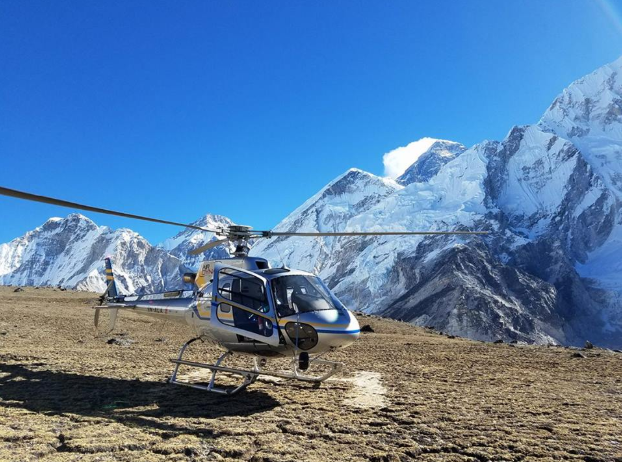


An Everest helicopter tour is one of the most exciting ways to experience the Himalayas without spending nearly two weeks trekking through the mountains. From the moment the helicopter leaves Kathmandu, passengers can enjoy changing landscapes, dramatic valleys, glaciers, and some of the world’s highest peaks.
One of the most common questions travelers have is how long the experience takes and when they should book it. The answer depends on the itinerary, weather, landing arrangements, and flight operations, but with the right planning, an Everest helicopter tour can become a memorable one-day Himalayan adventure.
How Long Does an Everest Helicopter Tour Take?
A typical Everest helicopter tour is planned as a day trip from Kathmandu. The actual flying time can be relatively short, but the complete experience takes longer because of airport procedures, weather checks, refueling or operational arrangements, and possible sightseeing or landing stops.
Many itineraries take several hours from departure to return. The exact duration can vary depending on the route and current flying conditions.
The helicopter normally travels toward the Everest region, offering passengers views of the changing Himalayan landscape along the way. Depending on the itinerary and weather conditions, there may be a stop near the Everest region where passengers can enjoy the scenery and take photographs.
This makes the tour especially attractive to travelers who want to experience Everest without committing to a lengthy trek.
What Happens During the Flight?
The journey usually begins in Kathmandu. After the required preparations and safety checks, the helicopter heads toward the mountains.
At first, passengers see the Kathmandu Valley and surrounding hills. As the aircraft gains altitude, the scenery becomes more dramatic, with green forests, steep valleys, mountain settlements, and snow-covered peaks appearing in the distance.
As the helicopter approaches the Everest region, the views become increasingly spectacular. Everest, Lhotse, Nuptse, Ama Dablam, and other Himalayan peaks may be visible when conditions are clear.
The aerial perspective provides a completely different experience from trekking. Instead of seeing the mountains gradually as you walk toward them, you can appreciate the scale of the entire Himalayan landscape from above.
When Is the Best Time for an Everest Helicopter Tour?
Choosing the best time for Everest helicopter tour is important because Himalayan weather can change quickly.
Spring and autumn are generally considered the most popular seasons for mountain travel. From March to May, the weather can provide pleasant conditions and good visibility. The lower hills also become colorful with blooming vegetation.
September to November is another excellent period. After the monsoon, the atmosphere can become clearer, creating impressive views of the Himalayan peaks.
Winter can also provide beautiful snowy scenery, although temperatures are much colder and weather conditions can sometimes affect flight operations.
The monsoon season, from June to August, can bring clouds, rain, and reduced visibility. Flights may still operate when conditions are suitable, but travelers should be prepared for possible delays or changes.
Why Morning Flights Are Popular
Early morning is often preferred for Everest helicopter tours because mountain visibility may be better before clouds develop later in the day.
Morning flights can also provide beautiful light for photography. The first sunlight over the Himalayan peaks creates a dramatic landscape that can be difficult to describe in words.
However, travelers should remember that weather conditions are unpredictable. A morning departure does not guarantee perfect visibility, and the final decision to fly should always depend on safe operating conditions.
Planning Your Everest Heli Tour Booking
When arranging an Everest heli tour booking, it is important to consider more than just the departure date.
Ask about the complete itinerary, expected duration, landing arrangements, group size, luggage allowance, and what is included in the package. If the tour involves a landing near the Everest region, confirm how long passengers are expected to remain on the ground.
It is also useful to understand the operator’s weather and rescheduling policy. Mountain flights can be affected by poor visibility, strong winds, or other conditions.
Booking ahead is particularly useful during spring and autumn, when demand for Everest tours can be high.
What Should You Bring?
Although the tour does not require the same preparation as a long trek, the Everest region can be extremely cold.
Bring warm layers, sunglasses, sunscreen, comfortable shoes, water, and a camera. A small daypack is usually more convenient than carrying unnecessary luggage.
You should also follow all instructions from the pilot and ground staff, particularly during landing and sightseeing stops.
Helicopter Tour vs. Everest Trek
An Everest helicopter tour and an Everest Base Camp trek offer very different experiences.
Trekking requires considerably more time and physical effort, but it provides opportunities to explore Sherpa villages, monasteries, mountain trails, and local communities. For many adventurers, the journey itself is the most rewarding part.
A helicopter tour is ideal for travelers who have limited time or prefer a more comfortable way to experience the Himalayas. It offers panoramic aerial views and allows travelers to see the Everest region within a much shorter itinerary.
Neither option is necessarily better. The right choice depends on your goals, fitness, budget, and available vacation time.
Key Points to Remember
- An Everest helicopter tour can usually be completed as a one-day experience.
- Actual flight and total tour duration depend on the itinerary and operating conditions.
- Spring and autumn are generally popular periods for clear Himalayan views.
- Morning departures are often preferred for visibility and photography.
- Weather can cause delays, changes, or cancellations.
- Book your Everest heli tour booking in advance during busy seasons.
- Carry warm clothing, sunglasses, sunscreen, and a camera.
- Always choose an experienced operator that prioritizes aviation safety.
Conclusion
An Everest helicopter tour offers a convenient and spectacular way to experience the world’s highest mountain without spending weeks on a trekking trail. While the actual flight time is relatively short, the complete experience can take several hours and may include sightseeing or a landing in the Everest region, depending on the itinerary and weather.
The best time for Everest helicopter tour is generally during spring and autumn, when mountain visibility can be excellent. However, Himalayan weather is unpredictable, so travelers should always maintain some flexibility.
With careful Everest heli tour booking, suitable preparation, and a reputable operator, you can enjoy breathtaking views of Everest and the surrounding Himalayas in a single unforgettable adventure.