


Introduction
Tanzania safari cost is one of the world’s premier safari destinations, offering access to the Serengeti, the Ngorongoro Crater, Tarangire National Park, Ruaha National Park, and the pristine marine ecosystems of Zanzibar. But for many travelers, the most pressing question before booking is not where to go — it is how much it will cost.
The honest answer is that Tanzania safari costs vary enormously. A budget camping safari in the northern circuit can cost as little as $150 to $200 per person per day, while an ultra-luxury fly-in experience at a remote private conservancy can exceed $2,500 per person per night. Between those extremes lies a vast spectrum of options shaped by accommodation choices, itinerary length, travel season, group size, and the type of wildlife experience you are seeking.
Understanding what drives Tanzania safari cost / pricing — and how to get the best value at your chosen budget level — is the key to planning a trip that delivers on its promise without unwelcome financial surprises. This guide breaks down every major cost component, from park fees and accommodation to international flights, tipping, and the hidden expenses that catch first-time safari travelers off guard.
The Main Cost Components of a Tanzania Safari
Before looking at specific price ranges, it is essential to understand what a Tanzania safari package typically includes and where costs are generated.
1. Accommodation
Accommodation is usually the single largest cost driver of any Tanzania safari. The country offers everything from basic public campsites to some of the most exclusive safari lodges on Earth. Your choice of where to sleep will more than any other factor determine your daily rate.
2. Park and Conservation Fees
Tanzania’s national parks and conservation areas charge entry fees per person per day. These fees are non-negotiable, government-mandated, and apply regardless of whether you are on a budget or luxury tour. They are sometimes included in package prices and sometimes listed separately.
3. Safari Vehicle and Guide
Most Tanzania safari packages include a 4×4 Land Cruiser or Land Rover with a professional guide-driver. Private vehicles cost more than shared vehicles but offer greater flexibility in timing, pacing, and game drive duration.
4. Meals and Drinks
Full-board pricing (three meals per day) is standard at most safari camps and lodges. Budget camping tours typically include all meals prepared by a camp cook. Beverages — particularly premium spirits and imported wines — are often charged separately at higher-end properties.
5. Internal Flights and Transfers
For itineraries that include remote parks like Ruaha, Selous (Nyerere), or Mahale Mountains, light aircraft transfers between airstrips are often necessary. These add significantly to the overall cost but dramatically reduce overland travel time.
6. International Flights
Return flights from Europe, North America, or Asia to Kilimanjaro International Airport (JRO) or Julius Nyerere International Airport (DAR) in Dar es Salaam are a major cost that most safari operators do not include in their packages. Budget $900 to $2,500 per person return depending on your origin, season, and booking timing.
7. Visa and Entry Requirements
Most nationalities must obtain a Tanzanian tourist visa. An e-Visa costs approximately $50 USD and can be applied for online prior to travel. Some nationalities pay higher fees — always verify current requirements through official Tanzanian government channels.
8. Travel Insurance
Comprehensive travel insurance including emergency medical evacuation is strongly recommended and sometimes required by operators. Evacuation from remote safari areas can cost tens of thousands of dollars without coverage. Budget $100 to $300 per person for a comprehensive policy.
9. Gratuities and Tipping
Tipping is customary and expected in Tanzania’s safari industry. Budget roughly $10 to $20 per day for your guide, $5 to $10 per day for camp staff, and $5 to $10 per day for your cook on camping safaris. Over a 7-day safari, tipping can add $150 to $300 per person to your overall expenditure.
Tanzania Safari Budget Tiers: What to Expect at Each Level
Budget Safaris: $150 – $250 Per Person Per Day
Budget Tanzania safari costs are primarily camping-based and most commonly operate in the northern circuit parks — Serengeti, Ngorongoro Crater, Tarangire, and Lake Manyara. Group sizes are larger (typically six to eight people sharing a vehicle), and itineraries are pre-set with less flexibility.
Accommodation consists of public campsites managed by the Tanzania National Parks Authority (TANAPA) or simple guesthouses on the outskirts of park boundaries. Facilities are basic — shared ablution blocks, no hot water guarantee, and limited electricity. Meals are prepared by a camp cook over a gas stove and are generally hearty and wholesome.
Despite the lower price point, budget safaris can deliver genuinely excellent wildlife experiences. The animals do not distinguish between vehicles based on their passengers’ budget, and a skilled guide in a shared vehicle will find lions, elephants, and wildebeest just as effectively as one driving a private luxury vehicle.
Best suited for: Gap year travelers, backpackers, young couples, and anyone prioritizing wildlife experience over accommodation comfort.
Mid-Range Safaris: $250 – $600 Per Person Per Day
The mid-range tier represents the sweet spot for many Tanzania safari travelers — a meaningful upgrade in comfort and privacy without the premium price tag of luxury. Accommodation at this level includes permanent tented camps and lodges with en-suite bathrooms, hot showers, and electricity, often in beautiful settings within or adjacent to park boundaries.
Group sizes are smaller — often two to four people per vehicle — and some mid-range operators offer private vehicle options for a supplement. Meals are of high quality, typically served in a communal dining area or mess tent, with a selection of local and international dishes.
Parks across both the northern and southern circuits are accessible at this price point, and a growing number of mid-range camps in remote areas like Ruaha and the Selous (Nyerere National Park) offer excellent value relative to their northern circuit counterparts.
Best suited for: Couples, small families, first-time safari travelers seeking comfort, and repeat visitors exploring lesser-known parks.
Luxury Safaris: $600 – $1,500 Per Person Per Day
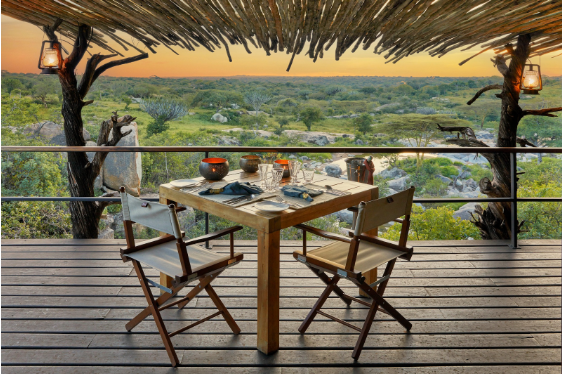
Tanzania’s luxury safari market is exceptional by any global standard. At this level, travelers can expect private or semi-private game vehicles, expert naturalist guides with deep specialist knowledge, gourmet cuisine prepared by skilled camp chefs, infinity-pool lodges with panoramic views over wildlife-rich plains, and the kind of personalized service that anticipates needs before they are expressed.
Iconic properties in this category include Singita Grumeti in the western Serengeti, Sanctuary Swala in Tarangire, and the &Beyond lodges across multiple parks. Many luxury camps in Tanzania are deliberately small — eight to twelve tents — to minimize environmental impact and maximize exclusivity.
Activities at this level extend beyond standard game drives to include guided bush walks, cultural visits to Maasai boma (homesteads), sundowner experiences, photographic hides, and in some locations, boating safaris and fly camping under the stars.
Best suited for: Honeymoons, anniversary celebrations, high-net-worth travelers, and experienced safari-goers seeking the finest possible experience.
Ultra-Luxury and Private Safaris: $1,500 – $3,000+ Per Person Per Day
At the very top of Tanzania’s safari market, cost is rarely the primary consideration. Ultra-luxury safaris feature fully private guides and vehicles, bespoke itineraries designed around your personal interests, and accommodation at some of the most architecturally stunning properties in the world.
Exclusive private conservancies — some accessible only by charter aircraft — offer game viewing in areas entirely free of other visitors. Private fly-camping on the Serengeti plains, helicopter transfers between parks, and custom culinary experiences designed by executive chefs are not uncommon at this tier.
For family buyouts of entire camps — often the preferred option for multi-generational family groups or corporate retreats — costs can reach $10,000 to $30,000 per night depending on the property.
Park Entry Fees: A Closer Look
Tanzania’s park fees are a significant and often underestimated component of safari costs. As of 2026, approximate per-person per-day fees for the most popular parks include:
| Park / Conservation Area | Approximate Daily Fee (USD) |
| Serengeti National Park | $70 – $82 |
| Ngorongoro Conservation Area | $80 – $100 |
| Tarangire National Park | $53 – $70 |
| Lake Manyara National Park | $53 – $70 |
| Ruaha National Park | $30 – $53 |
| Nyerere (Selous) National Park | $30 – $50 |
| Mahale Mountains National Park | $80 |
These fees are typically included in operator package pricing, but it is always worth confirming. On a 7-night northern circuit safari visiting three parks, park fees alone can amount to $500 to $700 per person — a meaningful portion of a budget safari’s total cost.
Vehicle fees, crater descent fees (at Ngorongoro), and camping fees apply in addition to person-based entry charges.
How to Reduce Tanzania Safari Costs Without Sacrificing Quality
Travel in the green season. The months of November through May (excluding Christmas and New Year) are classified as low or shoulder season by most operators. Lodge and camp rates drop by 20 to 40 percent, and park entry fees remain unchanged. Wildlife viewing is still excellent, landscapes are dramatically beautiful, and crowds are minimal.
Travel in a larger group. The cost of a private vehicle and guide is spread across all passengers. A group of four traveling together in a private vehicle will each pay significantly less than two couples doing the same itinerary in separate private vehicles.
Choose the southern circuit. Parks like Ruaha and Nyerere (Selous) are less visited, have lower park fees, and offer comparable wildlife experiences to the northern circuit at a lower overall cost. The trade-off is longer or more expensive transfer logistics.
Book well in advance. Peak season availability at popular lodges disappears quickly — sometimes 12 to 18 months ahead. Early booking often secures better rates and ensures access to first-choice properties.
Consider a combination of camp types. A mixed itinerary combining two nights at a mid-range lodge with three nights at a luxury camp allows you to optimize your budget without compromising on the experiences that matter most.
Key Takeaways
- 💰 Tanzania safari costs range from $150 to $3,000+ per person per day — budget, mid-range, and luxury options all offer genuine value at their respective price points.
- 🏕️ Accommodation is the single largest cost driver — your lodge or camp choice shapes your daily rate more than any other variable.
- 🌿 Traveling in the green season (November–May) can reduce costs by 20–40% without significantly diminishing the wildlife experience.
- 🦁 Park entry fees are mandatory and non-negotiable — factor $500 to $700 per person into your budget for a standard 7-night northern circuit itinerary.
- ✈️ International flights and travel insurance are not typically included in operator packages and must be budgeted separately.
- 👥 Group size affects per-person cost significantly — larger groups sharing a private vehicle reduce the cost per head for guide and transport.
- 🗓️ Book 12 to 18 months ahead for peak season travel to secure preferred lodge availability and early-booking rates.
Frequently Asked Questions (Q&A)
Q: What is the average total cost of a 7-night Tanzania safari for two people? A: For a mid-range 7-night northern circuit safari for two people, expect an all-inclusive in-country cost of approximately $7,000 to $12,000 combined, covering accommodation, meals, park fees, game drives, and internal transfers. Budget options can bring this to $4,000 to $6,000, while luxury safaris for the same itinerary and duration typically range from $18,000 to $35,000 or more for two people. International flights add $1,800 to $5,000 per couple depending on origin.
Q: Are Tanzania safari packages all-inclusive? A: Most safari packages are described as “full board” — meaning accommodation, three meals per day, and game drives are included. However, items typically excluded from standard packages include international flights, visas, travel insurance, laundry, alcoholic beverages (at some properties), optional activities, and gratuities. Always request a full itemized breakdown from your operator before booking.
Q: Is it cheaper to book a Tanzania safari independently or through a tour operator? A: For most travelers, booking through a reputable operator — whether a local Tanzanian operator or an international specialist — offers better overall value than attempting to organize a safari independently. Operators have established relationships with camps, negotiated rates, and the logistical infrastructure to handle park permits, transfers, and contingencies efficiently. True independent safaris require significant research, self-drive experience in challenging terrain, and the ability to navigate park regulations without support.
Q: What is the best value park in Tanzania for a first-time safari? A: Tarangire National Park is frequently cited by safari experts as one of Tanzania’s best-value parks. Entry fees are lower than the Serengeti or Ngorongoro, elephant concentrations are exceptional (particularly in the dry season), and the ancient baobab-studded landscape is unlike anywhere else in the country. Combining Tarangire with Lake Manyara and the Ngorongoro Crater creates an excellent introductory northern circuit itinerary at a manageable cost.
Q: Do children receive discounted park fees in Tanzania? A: Yes. Children under the age of 16 receive discounted park entry fees at Tanzania’s national parks. Rates vary by park but are generally 30 to 50 percent lower than adult fees. Some lodges also offer reduced children’s rates and family-specific programming. Always clarify age thresholds and discount rates with your operator, as policies differ between parks and accommodation providers.
Q: What currency should I use for paying safari-related expenses in Tanzania? A: The United States Dollar (USD) is the dominant currency for safari payments in Tanzania. Park fees, lodge bills, and operator invoices are almost universally quoted and paid in USD. The Tanzanian Shilling (TZS) is used for local market purchases, small tips, and community-based spending. It is advisable to carry a supply of clean, undamaged USD bills in small denominations ($1, $5, $10, and $20) for gratuities and incidental expenses.
Conclusion
Planning a Tanzania safari cost around a budget is not about compromise — it is about understanding value. At every price point, from a simple camping safari in a shared Land Cruiser to a private butler-staffed tented suite overlooking the Serengeti, Tanzania delivers wildlife experiences of extraordinary power and authenticity.
The key is to align your expectations, priorities, and budget honestly before you book. Decide which elements of the safari matter most to you — whether that is accommodation comfort, exclusivity, itinerary flexibility, or the specific parks and wildlife you want to see — and allocate your budget accordingly. A traveler who spends $200 per day in a well-run camping safari with a knowledgeable guide may come home with memories every bit as vivid as one who spent ten times as much.
Tanzania’s national parks and conservation areas are among the most biodiverse and spectacular on Earth. The costs associated with visiting them are, in large part, a direct investment in their continued protection — funding ranger patrols, anti-poaching operations, habitat management, and the community programs that make local conservation a viable livelihood for tens of thousands of Tanzanians.
When you book a Tanzania safari, you are not merely purchasing a holiday. You are participating in one of the most important conservation efforts on the planet. Whatever your budget, that investment is one of the most meaningful you can make.