[ccpw id="5"]

HomeJungle SafariThe Top 5 Antelope Species You Will See in Kenya

The Top 5 Antelope Species You Will See in Kenya

-

Wildlife is flourishing in Kenya. The country is a must-visit destination in the world for watching a variety of animals in their natural habitat. Antelopes are among the most abundantly found animals you can expect to encounter on your trip to Kenya.

They have adapted the dry condition and popular for their grace and speed. In the article, let’s focus on the main five types of antelope species you might meet during your Kenyan tour. 

Coke’s Hartebeest 

Coke’s hartebeest found in Kenya named after Richard Southey Coke an explorer who lived in the 18th century. This species has long and thin limbs, the large sickle-shaped horns, and a small, tightly molded, slender built body. It belongs to tribe Alcelaphine, a species that survives in open plains, intervals of lands with scrubs and grass, and even in savanahs.
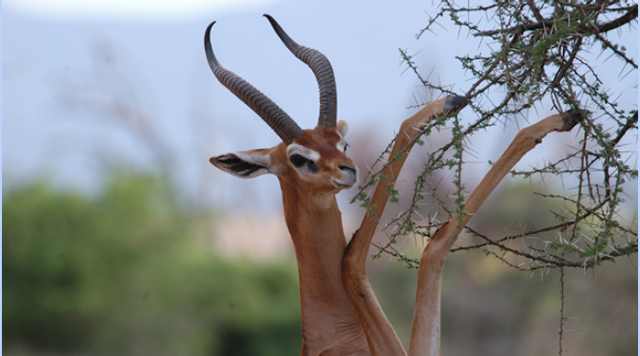
Gerenuk

The gerenuk is a long-necked, long-limbed antelope that can stand high off the ground. They are not very vocal and difficult to approach. You will find them in the Kenyan arid and semi-arid areas that include the vast Country’s Samburu and Buffalo spring reserves.
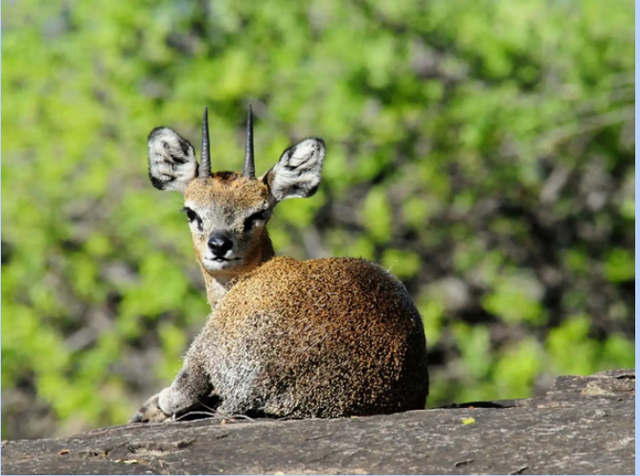
Klipspringer

The klipspringer is a small antelope characterized by compact and stocky build and strong legs capable to jump across the rocky land. It has broad flat feet, which can easily move on difficult terrains and steep mountains. They live in nearby grasslands or rocky outcrops but when they feel threatened, they retreat to rocky hideaways for safety. Klipspringers can thrive in different areas but you will encounter them mostly in the mountainous areas of the country including Mount Kenya and Aberdare Range.
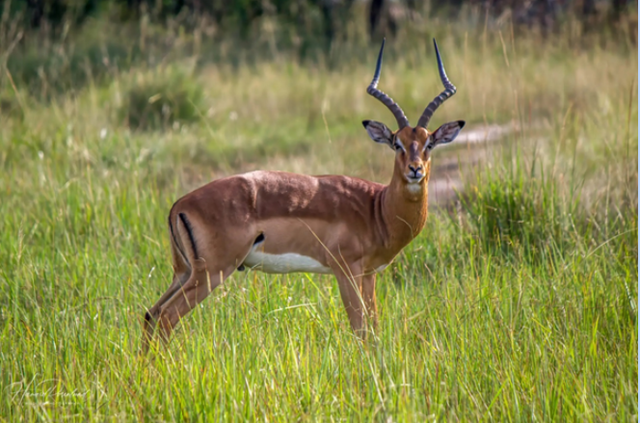
Impala

Impala is found in abundance across the land of Kenya.  The general shape of impala’s antlers is long and lean, its neck is also thin, and two big curved horns in the form of a lyre complementing the appearance of this elegant animal. Tourists get a glimpse of them moving across the Nairobi National Park, Amboseli National Park and the Maasai Mara Game Reserve.

Beisa Oryx

Beisa Oryx is a striking e species, native to arid and semi-arid regions in Kenya. It has long straight horns and bold black & white facial patterns, which make it, stand out among the wildlife. It is capable to survive on minimal water and well- adapted to the dry condition. You will find Beisa Oryx at the Samburu National Reserve or the Buffalo Springs National Reserve. 

Grant’s Gazette

Grant gazette is closely related to Thomson’s gazelle but larger in size. They have pale cream coat and long elegantly ringed, lyre-shaped horns. They are less social, so move in small herds. Gazettes thrive in semi-arid landscapes and grassy savannahs. You will find them roaming in the Tsavo National Park and Samburu National Park. 

Kenya’s distinct ecosystem and variety of antelope species beckons wildlife enthusiast to make a visit. The giraffe, with its spiky neck, the graceful impala, the long-legged gerenuk and spacious-horned hartebeest are among the magnificent animals that prove that Africa’s fauna is getting stronger and more flexible. If you are an ardent traveller who likes going on a safari or have an innate love for nature then observing these elegant animals in the wild is thrilling.

LATEST POSTS

Boat Trips in Side: The Best Boat Excursions, Relaxation, and Entertainment on the Mediterranean Sea

Side is one of Turkey's most attractive holiday resorts, known for its golden beaches, ancient landmarks, and beautiful Mediterranean coastline. In addition to relaxing at...

Seattle to Leavenworth: Three Ways to Reach Washington’s Bavarian Village, Compared

Somewhere east of Stevens Pass, the evergreen forest opens onto a river valley, and a small town appears that looks as if it was lifted out of the Alps: painted facades, flower boxes, steep roofs and a backdrop of jagged Cascade peaks. Leavenworth is one of the most popular getaways from Seattle, drawing visitors for its Bavarian-style streets, riverside trails and seasonal festivals that fill the town with lights and music. Getting there is half the experience, and the way you travel shapes the whole day. Some visitors drive themselves, others join an organized tour, and many choose a Seattle private chauffeur service, booked through a provider such as https://seattleblackcarservice.com/service-chauffeur, so the group can enjoy the mountain scenery and the town without anyone worrying about the road. Here is how the three options compare. Option One: Driving Yourself The route from Seattle follows US Highway 2 over Stevens Pass, a beautiful drive through forest, small towns and mountain views. In good weather it is a pleasure. In winter, the pass can require traction tires or chains, conditions change quickly and traffic can back up on busy weekends, especially when everyone heads home on Sunday afternoon. Driving yourself offers the most flexibility on timing and stops, but it also means someone in the group spends the day focused on the road, searching for parking in a crowded town and making the long return trip after a full day of walking. If you choose this option, check the state’s pass reports before leaving and give yourself extra time. Option Two: An Organized Tour Group tours remove the driving and usually include a set itinerary with time in town. They are a good fit for solo travelers or anyone who prefers a fixed plan. The trade-off is flexibility: departure times are set, the schedule is shared with other passengers, and there is little room for spontaneous stops at a waterfall or a riverside viewpoint along the way. Option Three: A Private Chauffeur A private car combines the flexibility of driving with the ease of a tour. The group sets the schedule, the driver handles the mountain roads, and you can stop wherever you like, whether that is a scenic pullout near the pass, a fruit stand in the valley or a quiet café on the way home. For families, groups of friends and visitors who do not want to rent a car, it is often the most comfortable way to make the trip, and an SUV or van keeps everyone together with room for coats, bags and anything bought in town. What to Do Once You Arrive Leavenworth is compact and easy to explore on foot. Front Street, the heart of the village, is lined with shops, bakeries and restaurants in the Bavarian style, and the gazebo in the town park often hosts music and events. Just a short walk away, Waterfront Park follows the Wenatchee River with trails, islands and benches that offer a peaceful break from the busy streets. For more time outdoors, the surrounding area offers hiking, river activities in warmer months and snowshoeing in winter. The nearby Icicle Creek corridor is known for mountain scenery and trailheads, and the valley around town is home to orchards and wineries. Choosing the Right Season Leavenworth changes character through the year. Winter brings snow and holiday lights, making the village especially festive, though it also brings the most challenging driving conditions. Spring and early summer offer blossoms, rushing rivers and quieter streets. Autumn draws crowds for harvest season and fall colors. Weekends during festival periods can be very busy, so planning ahead for parking, restaurants and lodging matters more than usual. Making the Day Work Whichever option you choose, an early start helps you beat traffic and crowds. Bring layers, since mountain weather can differ sharply from Seattle’s, and comfortable shoes for walking the village and riverside paths. If you would rather not make the long return in one day, consider staying overnight and enjoying the town in the quieter evening hours. Which One Fits You? Drive yourself if flexibility matters most and you are comfortable with mountain roads. Join a tour if you prefer a ready-made plan at a set price. Choose a private chauffeur if you want the freedom of your own schedule without the stress of the pass, the parking or the long drive home. Any of the three can lead to a memorable day in one of Washington’s most charming towns.

Wine Country Without the Drive: Planning a Woodinville Day Trip from Seattle

Most people picture a wine trip as a long-haul affair: a flight to Napa, a rental car, a week of reservations. Travelers landing in Seattle often don’t realize that Washington’s most accessible wine destination sits less than an hour from downtown. Woodinville, tucked into the Sammamish River Valley northeast of the city, packs more than a hundred wineries and tasting rooms into a small, walkable area. That makes it one of the easiest wine country escapes in the United States to fit into a single day. The proximity is also where many visitors trip up. A destination this close feels casual, and casual plans tend to fall apart around the third tasting. Here’s how to plan a Woodinville day that stays relaxed from the first pour to the drive home. Why Woodinville Works So Well as a Day Trip Washington grows most of its wine grapes east of the Cascades, in places like the Yakima Valley, Red Mountain and Walla Walla. Many of those producers keep tasting rooms in Woodinville to stay close to Seattle’s population, which means visitors can sample wines from across the state without crossing the mountains. The tasting rooms cluster into a few distinct districts, each with its own character: The Hollywood District is the classic postcard version of Woodinville, with landscaped estates, large historic wineries and plenty of patio space. The Warehouse District feels completely different. Small, independent producers pour in converted industrial units, often with the winemaker behind the counter. The Downtown District mixes newer tasting rooms with restaurants, which makes it a natural place to break for a meal. The West Valley District spreads along the valley floor and rewards visitors who like quieter, less crowded rooms. A good day usually combines two of these areas rather than trying to cover all four. Build the Day Around Three Tastings, Not Six The most common mistake is overbooking. Each tasting typically takes an hour or more once you factor in conversation, a second glass on the terrace and the walk to the next door. Three tastings with a long lunch in between makes for a full, comfortable day. Five or six turns into a blur that nobody remembers clearly. A balanced plan might look like this: Start at a large estate in the late morning, when the grounds are quiet and staff have time to talk. Take a break outdoors. The Sammamish River Trail runs right through the valley and is a pleasant, flat walk that clears the head between tastings. Sit down for a real lunch instead of grazing on cheese plates. Several wineries and nearby restaurants serve full menus. Finish in the Warehouse District, where the smaller rooms feel more personal in the afternoon. Reservations matter more than many first-time visitors expect. Popular rooms limit group sizes, and weekends during harvest season fill up quickly. Booking each stop ahead keeps the day moving and avoids standing in a parking lot deciding where to go next. The Transportation Question Nobody Wants to Think About Here’s the part of the plan that deserves the most attention. Woodinville’s tastings are spread across several districts, and while some are walkable, getting between areas usually means getting back in a car. Washington’s impaired-driving laws are strict, and even modest tasting pours add up over an afternoon. Visitors usually weigh a few options: A designated driver works, but it means one person in the group skips the experience they came for. Rideshare is convenient for the trip out, but wait times in the valley can stretch, especially late in the afternoon when everyone is leaving at once. Some drivers also hesitate to take short hops between wineries. Public transit reaches the area, but connections to individual tasting rooms are limited and slow. A private driver for the day removes the problem entirely. The same car and driver stay with the group from hotel pickup to evening drop-off, wait outside each stop and handle traffic on the way back into the city. For groups, the private-driver option often makes more sense than it first appears, since the cost is shared and nobody has to coordinate multiple rideshares at every stop. To see how this plays out over an actual day, take a look at this sample Woodinville Saturday planned around a Seattle chauffeur service. It covers timing, lunch and how the driver fits into each stop. When booking a driver for a wine day, a few questions are worth asking up front: Is there a minimum booking length, and does a full-day rate work out better than hourly? Is gratuity included in the quote or added separately? What is the policy on opened bottles or purchases in the vehicle? Can the driver adjust the route if the group wants to add or skip a stop? Getting the Timing Right Traffic between Seattle and Woodinville is the wild card. The drive is short on a quiet morning, but weekend afternoons and the evening return can take noticeably longer, particularly on the bridges across Lake Washington. Starting mid-morning and leaving the valley before the evening rush keeps the day from ending in gridlock. Season changes the experience too. Late summer and early fall bring harvest energy, busy patios and the fullest event calendars. Winter is quieter and cozier, with more time to talk to staff. Spring sees new releases and fewer crowds than the peak months. Small Details That Make a Big Difference Bring ID. Every tasting room checks it, and the legal drinking age applies to every person who tastes. Eat a proper breakfast. Tasting on an empty stomach shortens the day considerably. Carry water and drink it between stops. Ship rather than carry if you buy more than a few bottles, especially if you’re flying home. Many wineries can arrange shipping to most states. Check pet policies before bringing a dog, since many rooms allow them only outdoors. A Wine Country Escape on the City’s Doorstep Woodinville gives Seattle visitors something few cities can offer: genuine wine country close enough for a spontaneous Saturday. The difference between a memorable day and a stressful one comes down to a little planning. Fewer stops, booked ahead, with lunch in the middle and transportation sorted before the first pour. Get those pieces right, and the only thing left to decide is which bottle to bring home.

Morocco 10 Day Tour: Explore the Best of Morocco in 10 Unforgettable Days

Morocco is a beautiful country filled with fascinating history, colorful cities, breathtaking landscapes, and unforgettable cultural experiences. From the lively streets of Marrakech to the...

Most Popular