
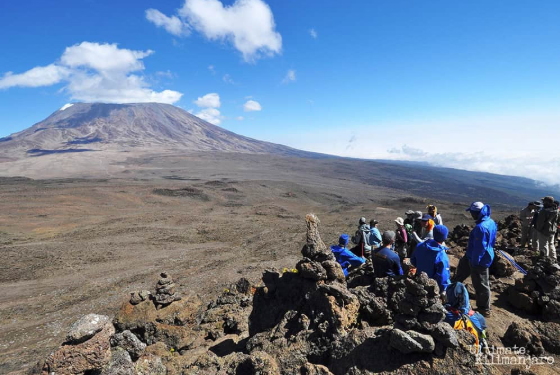


Climbing Mount Kilimanjaro—Africa’s highest peak at 5,895 meters—is widely regarded as one of the most accessible high-altitude adventures in the world. Unlike technical mountains, it does not require mountaineering skills, making it attractive to budget-conscious trekkers. However, affordability must be balanced with safety, ethical practices, and proper preparation.
This comprehensive guide explains how to plan an affordable Kilimanjaro climb, including cost breakdowns, budget strategies, route selection, and practical tips for maximizing value without compromising safety.
Understanding the Cost of an Affordable Kilimanjaro Climb
An affordable Kilimanjaro climb typically ranges between $1,600 and $2,500 per person, depending on route, duration, and services included.
Why There Is a Minimum Cost
Climbing Kilimanjaro involves mandatory expenses that cannot be avoided:
- National park fees
- Rescue fees
- Camping or hut fees
- Guide and porter wages
These fixed costs alone can exceed $900–$1,000 per climber, which explains why extremely cheap packages are often unsafe or unethical.
Budget vs. Mid-Range vs. Premium
- Budget ($1,600–$2,200): Basic group climbs, shared services
- Mid-range ($2,000–$3,500): Better food, smaller groups, higher success rates
- Premium ($3,500+): Luxury tents, advanced safety equipment
Affordable climbs usually fall within the mid-range category, offering the best balance between cost and safety.
Best Budget-Friendly Routes
Choosing the right route significantly affects the overall cost of your climb.
1. Marangu Route (Cheapest Option)
- Duration: 5–6 days
- Cost: $1,600–$2,000
- Accommodation: Hut-based (no camping gear required)
The Marangu Route is the most affordable because it reduces logistical costs such as tents and porters.
Advantages:
- Lower cost
- Comfortable hut accommodation
- Short duration
Disadvantages:
- Lower summit success rate due to limited acclimatization
2. Machame Route (Best Value for Money)
- Duration: 6–7 days
- Cost: $1,800–$2,300
This route offers better acclimatization and higher success rates while remaining relatively affordable.
Advantages:
- Scenic landscapes
- Higher success rate
- Good balance between cost and experience
3. Rongai Route (Moderate Budget Option)
- Duration: 6–7 days
- Cost: $1,900–$2,400
A quieter route with stable weather conditions, suitable for budget climbers seeking less crowded trails.
Key Factors Affecting Cost
1. Route Duration
Longer routes increase costs due to additional park fees and crew wages. However, they improve acclimatization and success rates.
2. Group vs. Private Climb
Joining a group significantly reduces costs by sharing expenses for guides, transport, and logistics.
3. Operator Type
Local Tanzanian operators are generally more affordable than international agencies because they eliminate intermediary fees.
4. Season
Climbing during low seasons (March–May, November) can result in discounts and lower travel costs.
5. Gear and Equipment
Renting gear on-site can increase expenses. Bringing your own equipment helps reduce costs.
Cost Breakdown for an Affordable Climb
| Expense Category | Estimated Cost (USD) |
| Trek Package | $1,600–$2,500 |
| Flights | $600–$1,500 |
| Gear Rental/Purchase | $100–$500 |
| Tips (Guides/Porters) | $200–$400 |
| Travel Insurance | $50–$150 |
A realistic total budget for an affordable Kilimanjaro climb is approximately $2,500–$4,000 including all expenses.
How to Save Money Without Compromising Safety
1. Join Group Departures
Group climbs reduce per-person costs significantly.
2. Choose Shorter Routes Carefully
Short routes are cheaper but may reduce success rates due to poor acclimatization.
3. Travel in Off-Peak Seasons
Lower demand often leads to discounts on packages and flights.
4. Bring Your Own Gear
Avoid rental fees by investing in essential trekking equipment beforehand.
5. Book with Local Operators
Local companies offer competitive pricing while supporting the regional economy.
Safety Considerations on a Budget
Affordability should never compromise safety. Budget climbers must ensure:
- Certified and experienced guides
- Proper acclimatization schedule
- Adequate food and hydration
- Emergency support and oxygen availability
Packages priced below $1,500 often cut corners on these essentials and should be avoided.
Success Rate vs. Cost
There is a strong relationship between cost and summit success rate:
- Short budget routes (5–6 days): ~60–70% success
- Mid-range routes (7–8 days): ~80–90% success
Investing slightly more in a longer itinerary often improves your chances of reaching the summit.
Key Takesaways
- Affordable Kilimanjaro climbs typically cost $1,600–$2,500 for the trek package.
- The Marangu Route is the cheapest option, while Machame Route offers better value.
- Group climbs and local operators significantly reduce costs.
- Avoid extremely cheap packages, as they may compromise safety and ethics.
- A total budget of $2,500–$4,000 is realistic for a safe and affordable climb.
- Spending slightly more on longer routes increases summit success rates.
Frequently Asked Questions (Q&A)
1. What is the cheapest way to climb Kilimanjaro?
The cheapest way is to join a group climb on the Marangu Route with a local operator, costing around $1,600–$2,000.
2. Can I climb Kilimanjaro for under $1,500?
While possible, it is not recommended due to safety concerns and potential ethical issues regarding porter treatment.
3. Which route is best for budget climbers?
The Marangu Route is the cheapest, but the Machame Route provides better value due to higher success rates.
4. Are budget climbs safe?
Yes, if you choose a reputable operator that follows safety standards and ethical practices.
5. How long does it take to climb Kilimanjaro?
Most budget climbs take 5–7 days, depending on the chosen route.
6. What additional costs should I expect?
Flights, gear, tips, and insurance are usually not included in the base package.
7. Is it cheaper to climb in a group?
Yes, group climbs reduce costs by sharing expenses among participants.
Conclusion
An affordable Kilimanjaro climb is achievable with proper planning, informed decisions, and realistic budgeting. While the temptation to choose the cheapest possible option may be strong, climbers must prioritize safety, ethical practices, and adequate acclimatization.
Selecting a cost-effective route such as Marangu or Machame, joining group expeditions, and booking through local operators are the most effective strategies for reducing expenses. At the same time, investing in a slightly longer itinerary can significantly improve summit success rates and overall experience.
Ultimately, affordability should not come at the expense of safety or quality. A well-planned budget climb allows trekkers to experience the extraordinary journey to the summit of Mount Kilimanjaro while maintaining both financial efficiency and personal well-being.