
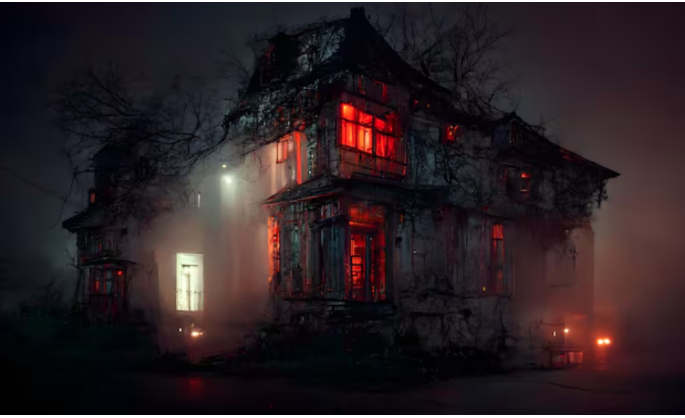


The human fascination with fear is more than just a search for a momentary scream. Engaging with controlled terror provides a unique psychological training ground that allows individuals to confront their deepest anxieties in a safe environment.
By stepping into a darkened hallway, you are not just seeking entertainment; you are practicing the art of courage. Here is how visiting a haunted house can actually help you prepare to face your nightmares head-on.
1. Mastering the Art of Controlled Fear
Fear is a natural biological response, but it can often become overwhelming when it occurs in the real world.
A professional haunted house provides a laboratory where you can experience the physical sensations of fear, such as a racing heart and shallow breathing, while knowing intellectually that you are safe.
This distinction allows your brain to practice staying calm under pressure. By repeatedly exposing yourself to these triggers, you learn to regulate your emotional response, which is a vital skill for handling stressful situations in your daily life.
2. Developing Situational Awareness
When you enter a spooky attraction, your senses naturally sharpen. You become hyper-aware of every shadow, every distant sound, and every change in the floor beneath your feet. This heightened state of alertness is exactly what is needed to navigate a nightmare or a high-pressure environment.
A well-designed haunted house teaches you to observe your surroundings critically rather than reacting with blind panic. This training translates to real-world resilience, helping you maintain a clear head when things go wrong unexpectedly.
3. Conquering the Fear of the Unknown
Nightmares often stem from a fear of what we cannot see or understand. Horror attractions thrive on this specific anxiety by using heavy fog, strobe lights, and pitch-black corridors.
By forcing yourself to walk forward into a dark room where you know a monster might be waiting, you are actively choosing to confront the unknown. Each step taken inside a haunted house is a small victory for your willpower.
Over time, this builds a sense of self-efficacy, proving to your subconscious that you are capable of moving forward even when the path ahead is unclear.
4. Building Teamwork and Social Support
Facing a nightmare alone is daunting, but doing so with a group of trusted friends changes the dynamic entirely. Many attractions are designed to be navigated in small teams, encouraging you to look out for one another.
When you witness your friends facing their fears, it gives you the social permission and the strength to do the same.
This communal experience reinforces the idea that you do not have to face your terrors in isolation, providing a supportive framework that is essential for overcoming any psychological hurdle.
5. The Power of Cognitive Reframing
One of the most effective ways to deal with nightmares is to reframe them as something manageable or even ridiculous. After the initial shock of a jump-scare in a haunted house, there is almost always a moment of laughter.
This transition from terror to humor is a powerful cognitive tool. It teaches you that even the most frightening images are often just illusions or temporary obstacles. By laughing at the monster once the lights come up, you strip the nightmare of its power over your mind.